
About the report
Industry reports have been compiled since the early 20th century by organizations, research firms, and trade associations of various industries, with the aim of collecting reliable data and providing data-driven approaches as a key pillar of informed business decision-making.
The function of industry reports has evolved over time; reports produced by leading management consulting firms such as McKinsey, Boston Consulting Group, and Bain serve as the industry’s go-to source for accurate data and operational experience, accurately reflecting the pulse of the industry.
Collection of reports Industrialist The industry-specific data chapter is one of the main centers for publishing industry-specific data. The first series of these reports provides an overview of seven key industries in Iran and includes four main sections: (1) An overview of Iran’s macroeconomics, (2) General industry statistics and trends, (3) Export statistics, and (4) Top players.
It is worth noting Full text of the report It is available for study by those interested.
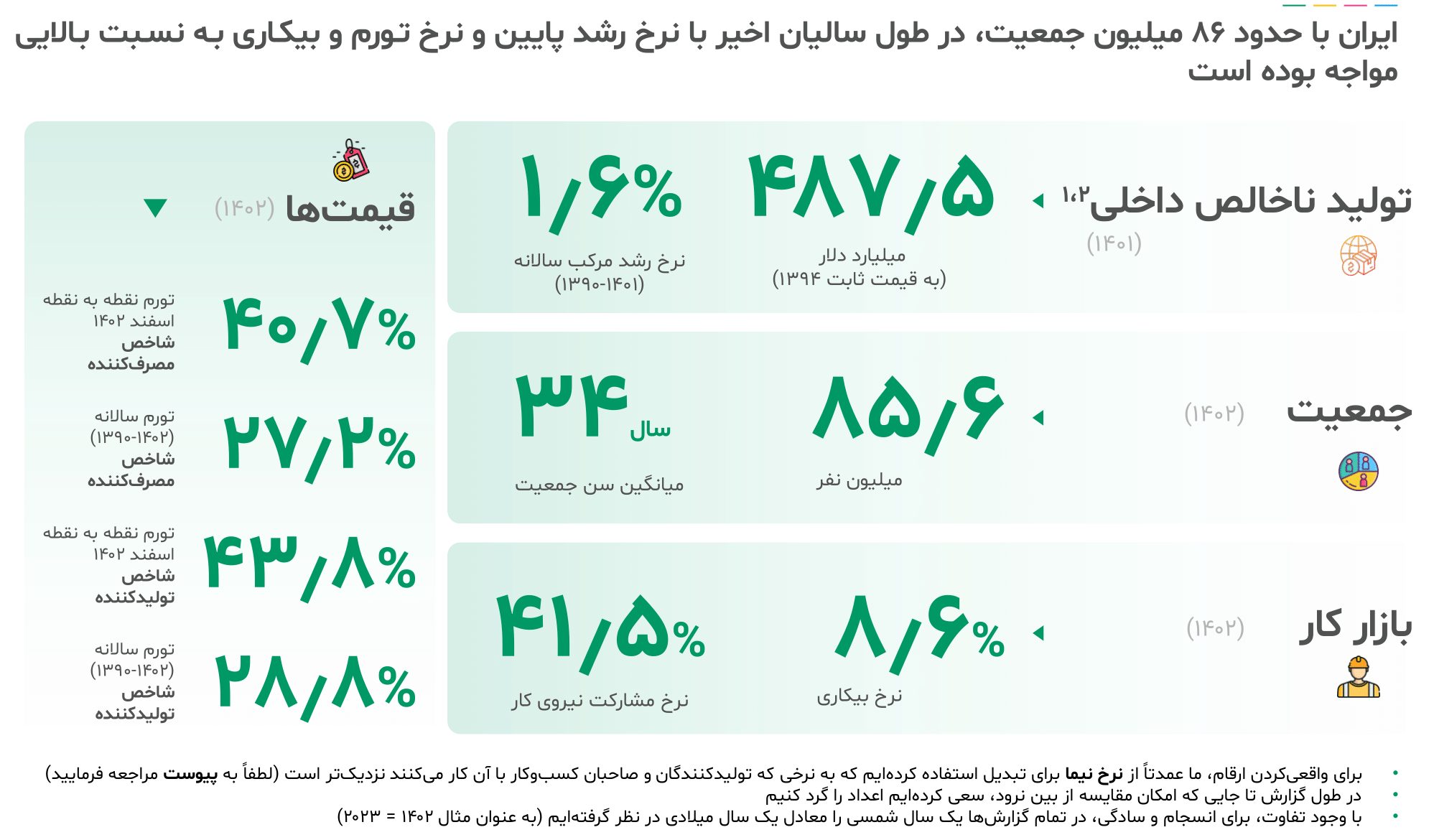
A look at Iran’s macroeconomics
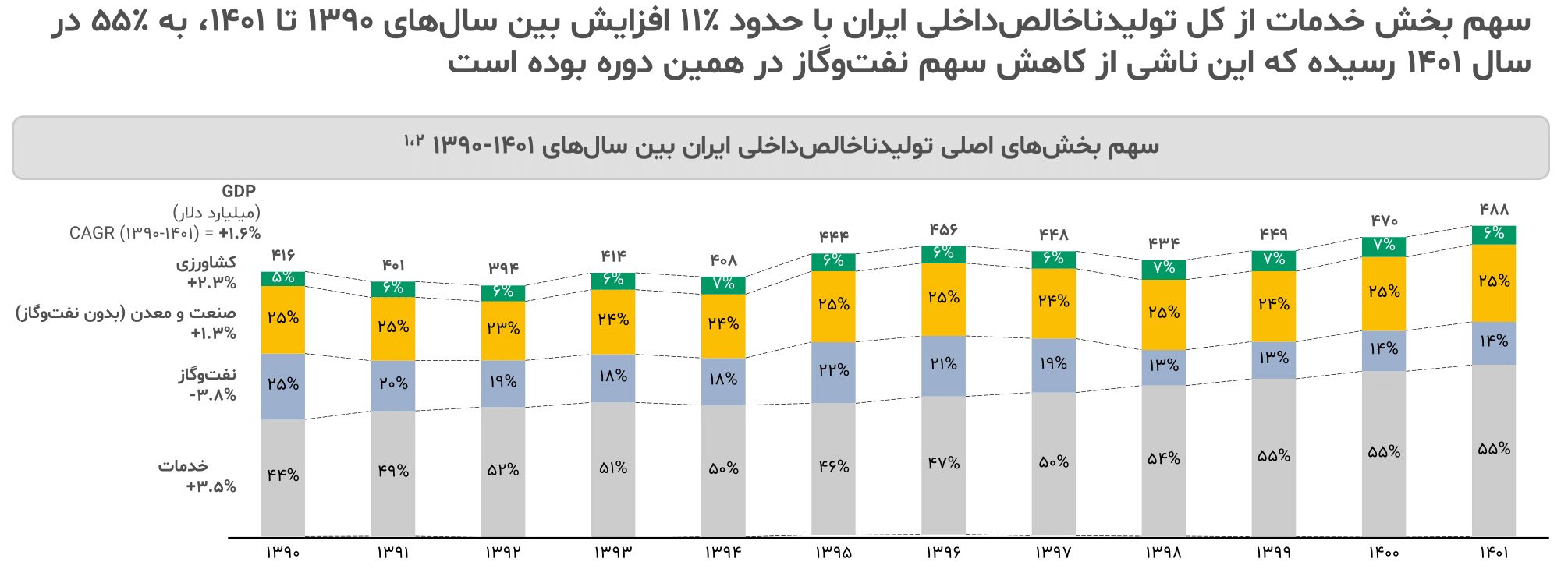
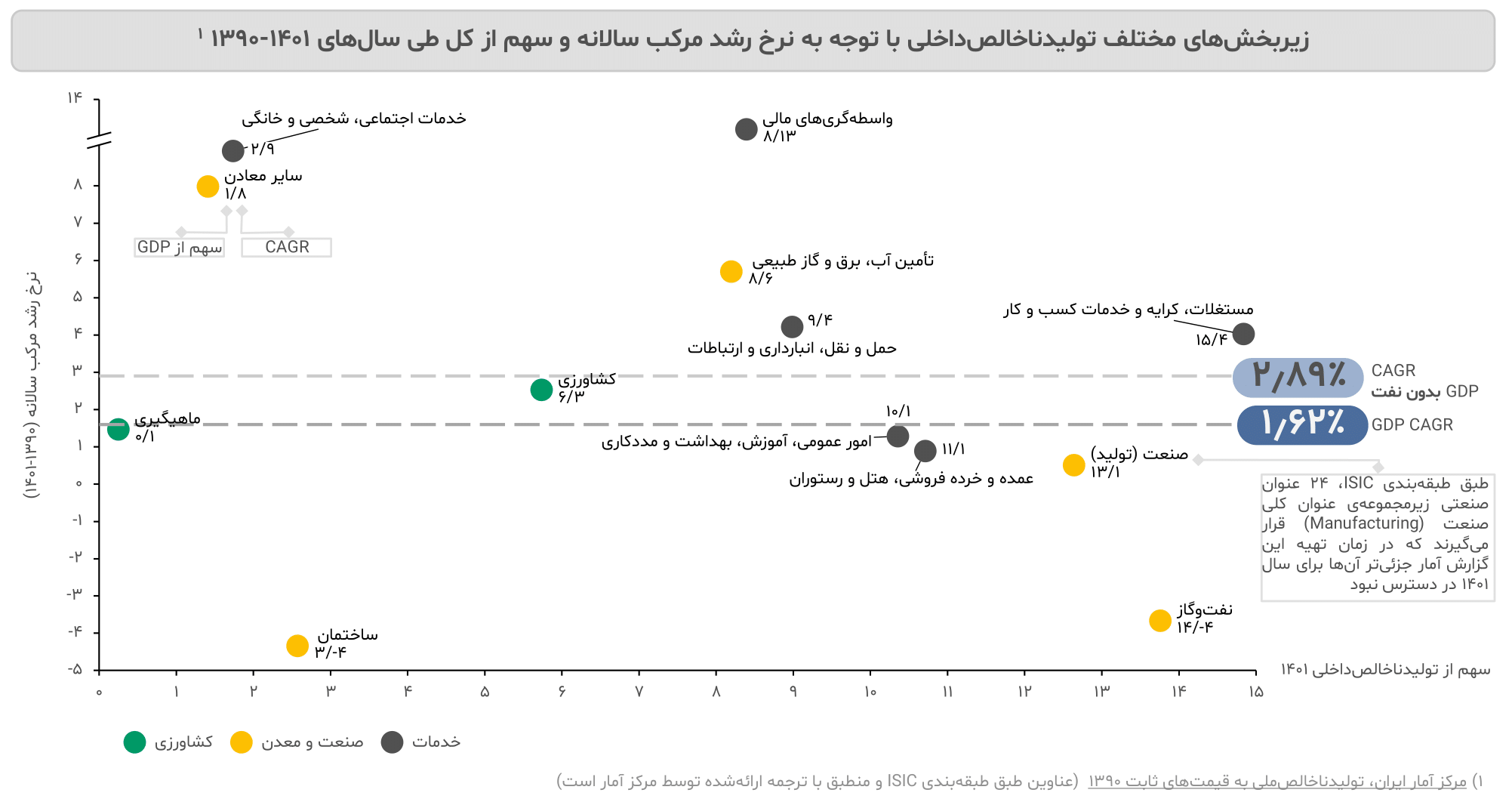
The share of agriculture and industry (excluding oil and gas) in GDP remained stable at around 6% and 25%, respectively, during 2011-2012, and during the same period, Iran’s services sector grew at a CAGR of 3.5%, while oil and gas declined at a CAGR of 3.8%, reducing the share of services to half of GDP. After 2020, Iran’s economy grew slightly, with the main burden (62%) being growth in the services sector.
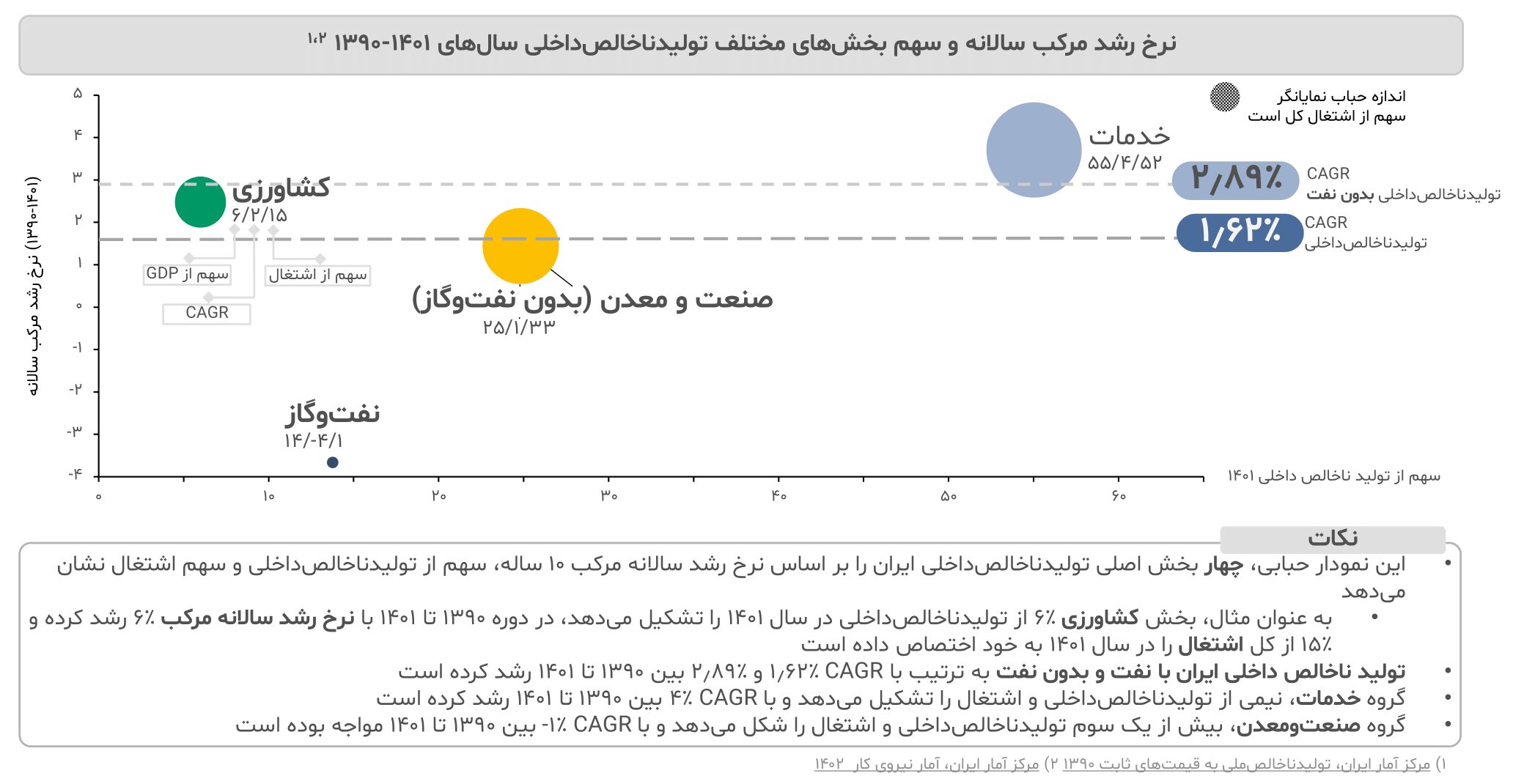
Among the main sectors of GDP, between 2011 and 2022, the highest compound annual growth rates were in services (4%), agriculture (2%), industry and mining (1%), and oil and gas declined at a rate of -4%.
Financial intermediation, transportation, and real estate have been the main drivers of service sector growth, likely due to their immunity from international volatility as well as the high growth of the digital economy.
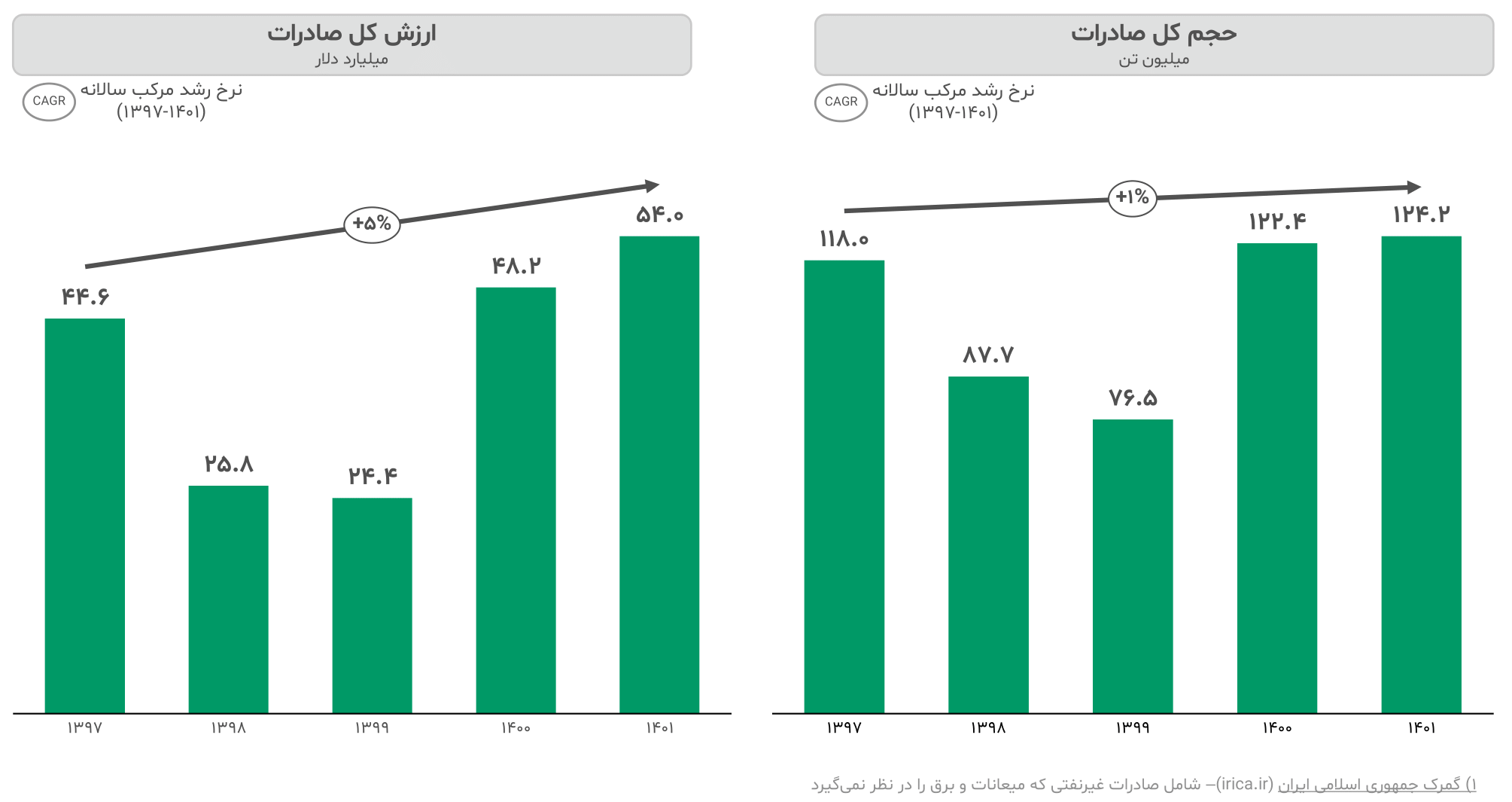
Between 2018 and 2022, the total volume of Iran’s non-oil exports increased at a compound annual growth rate of 1%, but at the same time, the total value of exports grew at a rate of 5%.
General automotive statistics and trends
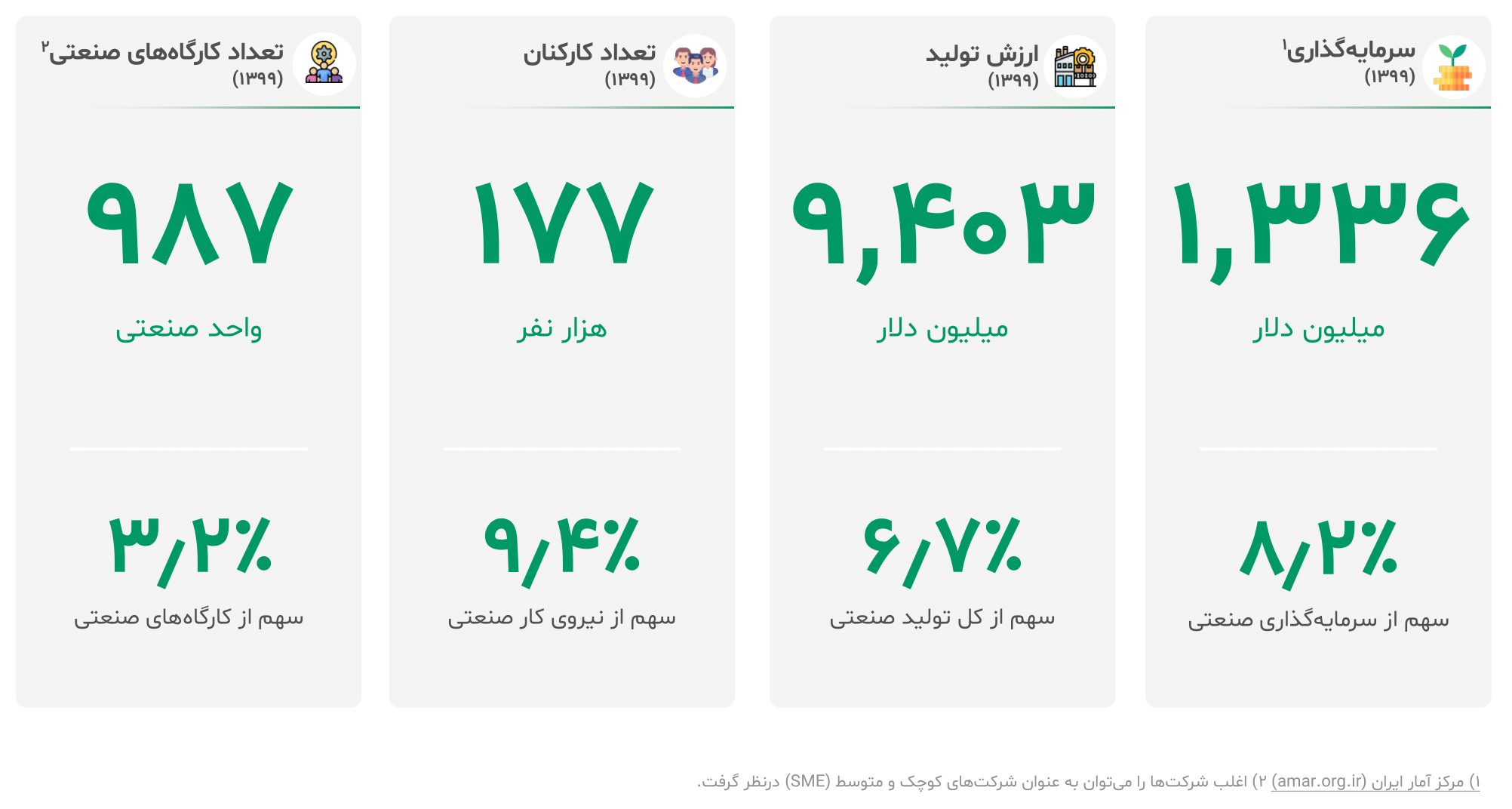
In 2020, Iran’s automotive industry accounted for 3% of total industrial workshops, 9% of the industrial workforce, and 6.7% of production value.
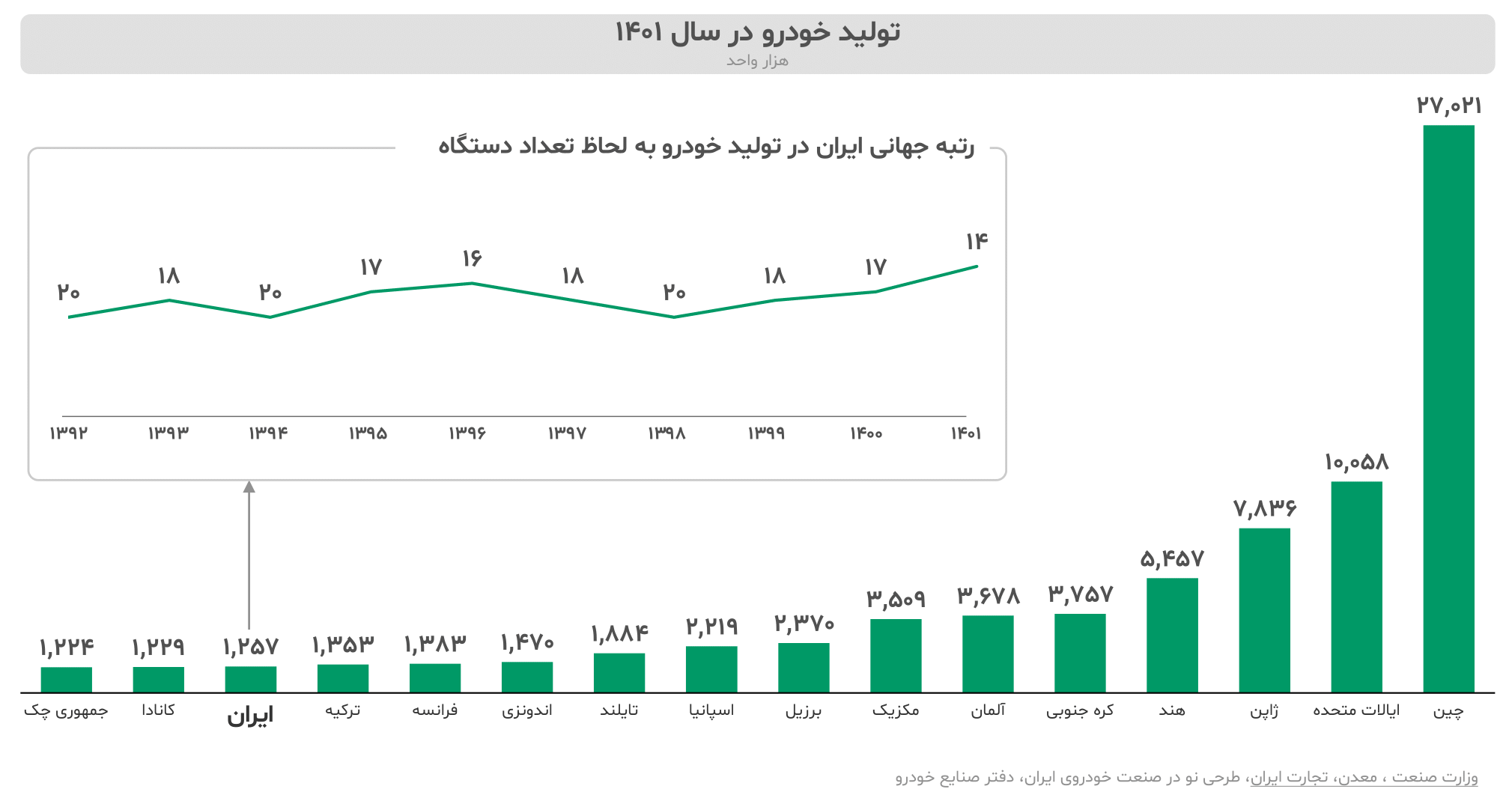
According to the Ministry of Interior report, Iran was among the top 16 countries in terms of automobile production in 1401.
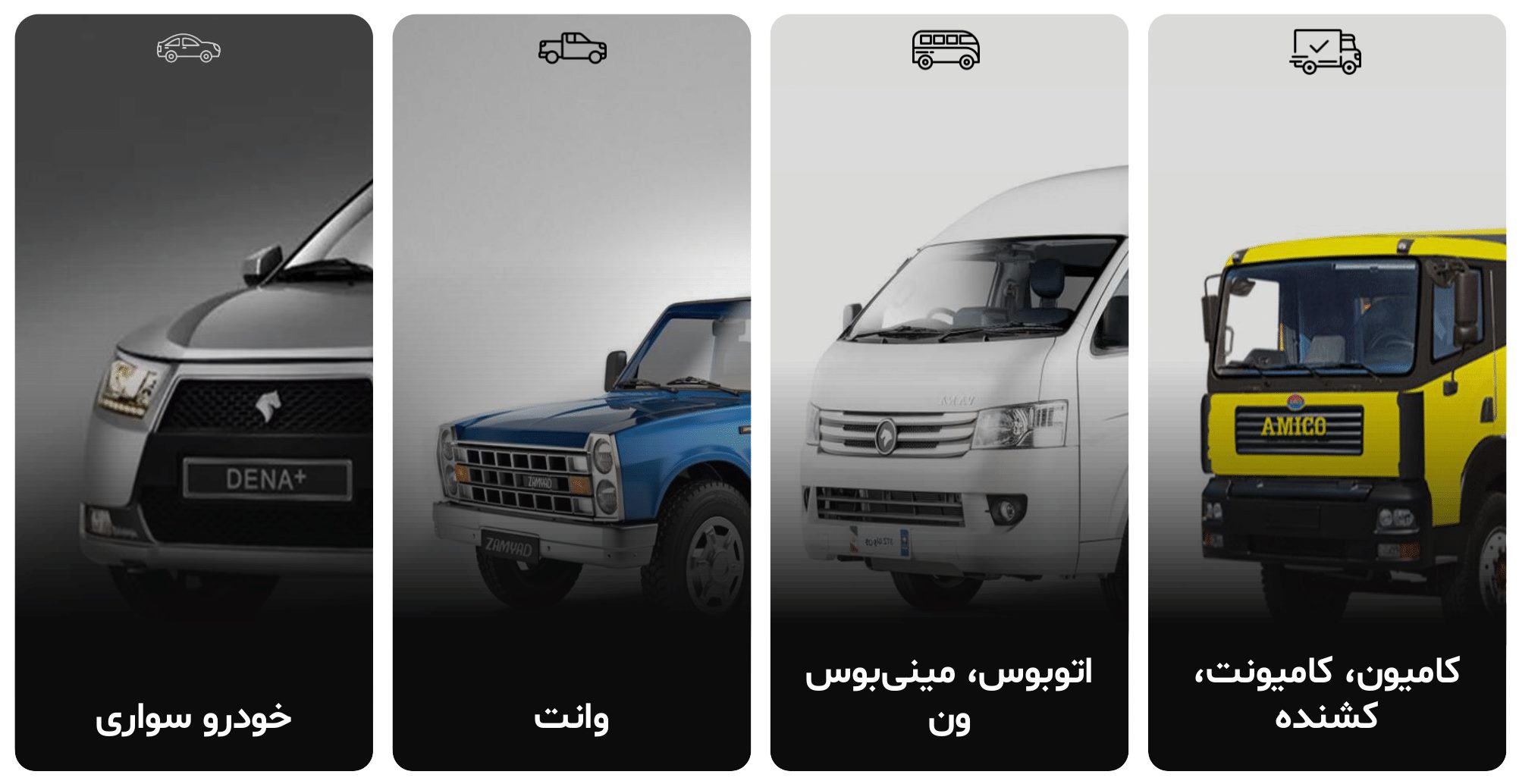
There are four categories of cars based on size and performance:
- Car ride
- pickup truck
- Buses, minibuses and vans
- Truck, lorry, tractor
Almost half of Iranian families do not own a private car, indicating a significant shortage of cars.
In Iran, the share of passenger cars in total automobile production is higher than this ratio in the world, while the share of pickup trucks in total automobile production is lower.
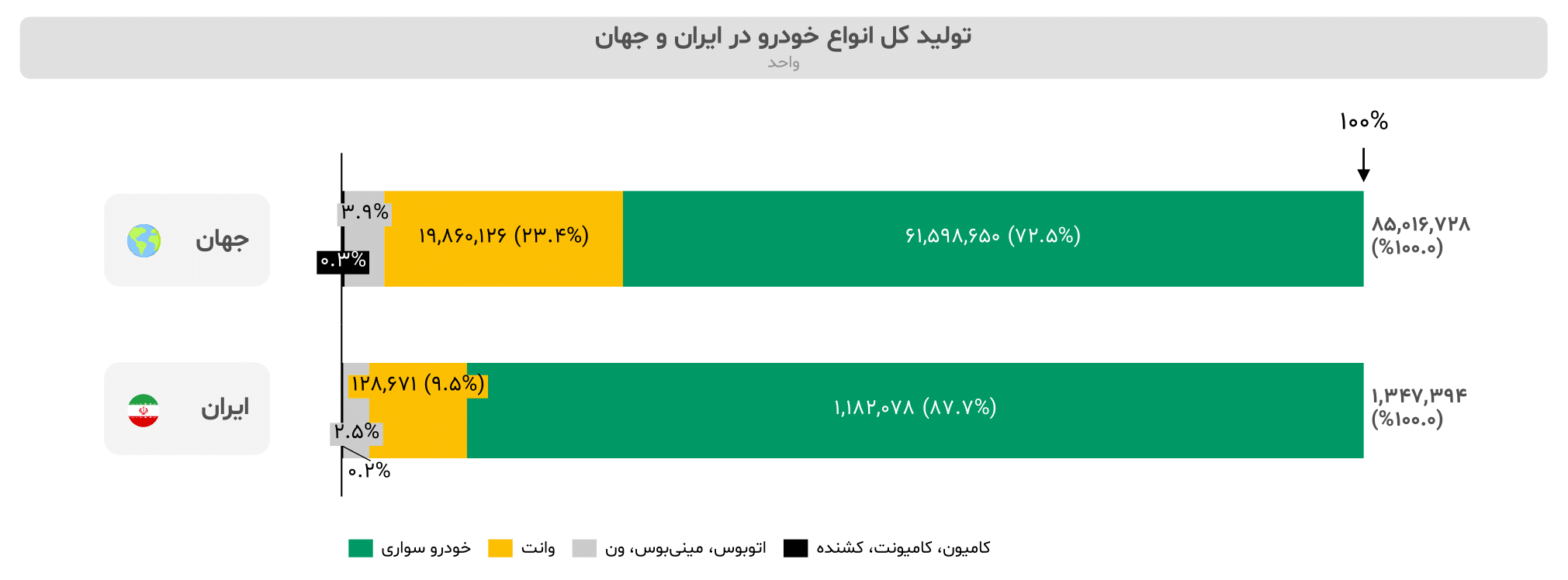
Passenger cars account for 72% of total vehicle production worldwide, while their share in Iran (88%) is significantly higher.
Globally, pickup trucks account for 23% of all vehicles produced, while their share in Iran is only 9.5%.
The combined production of buses, minibuses, and vans accounts for 3.9% of total vehicle production in the world, while in Iran, this group accounts for 2.5% of total vehicle production.
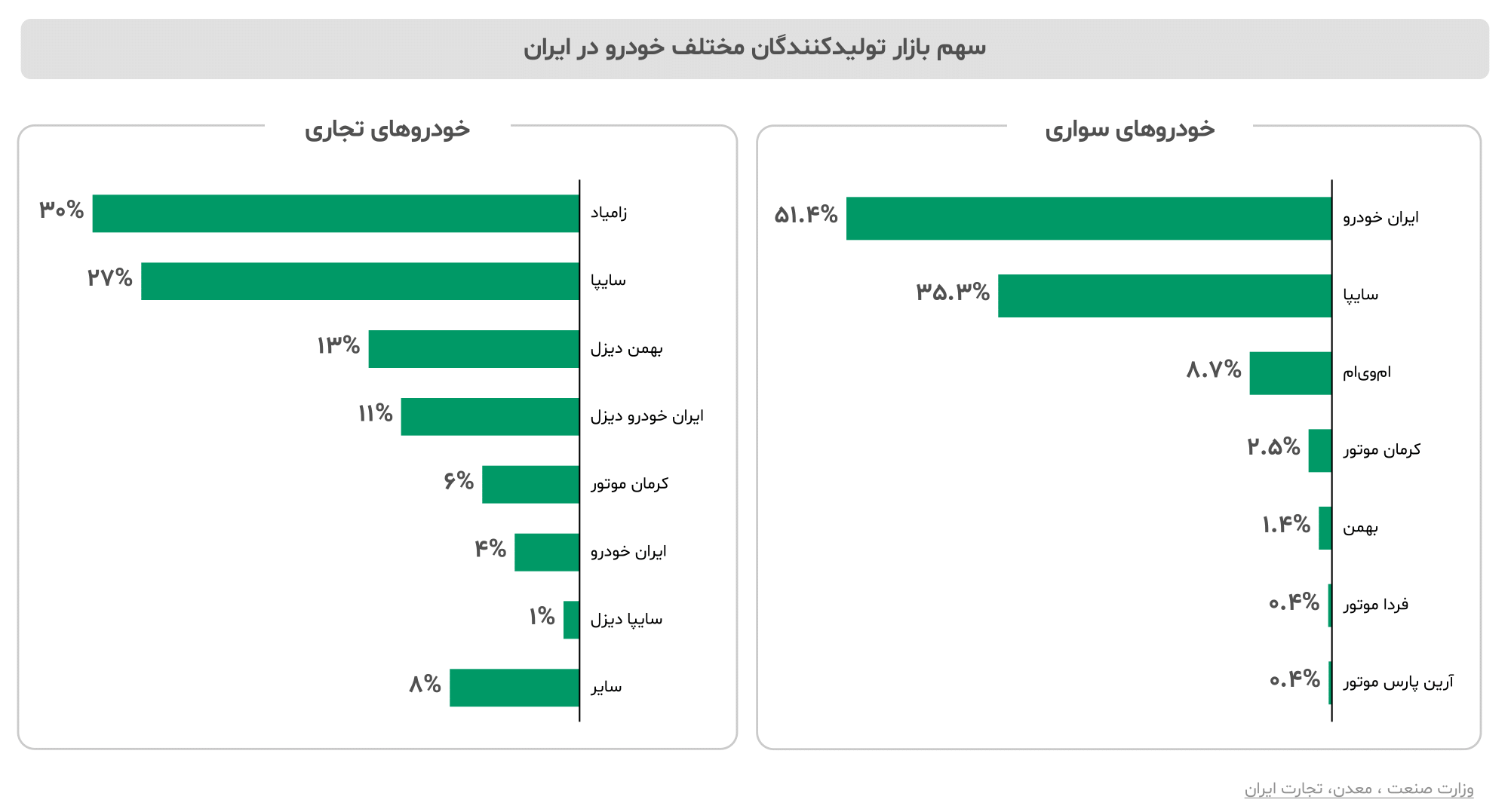
Iran Khodro with a 51% share and Zamyad with a 30% share are the leading manufacturers of passenger and commercial vehicles in the Iranian market.
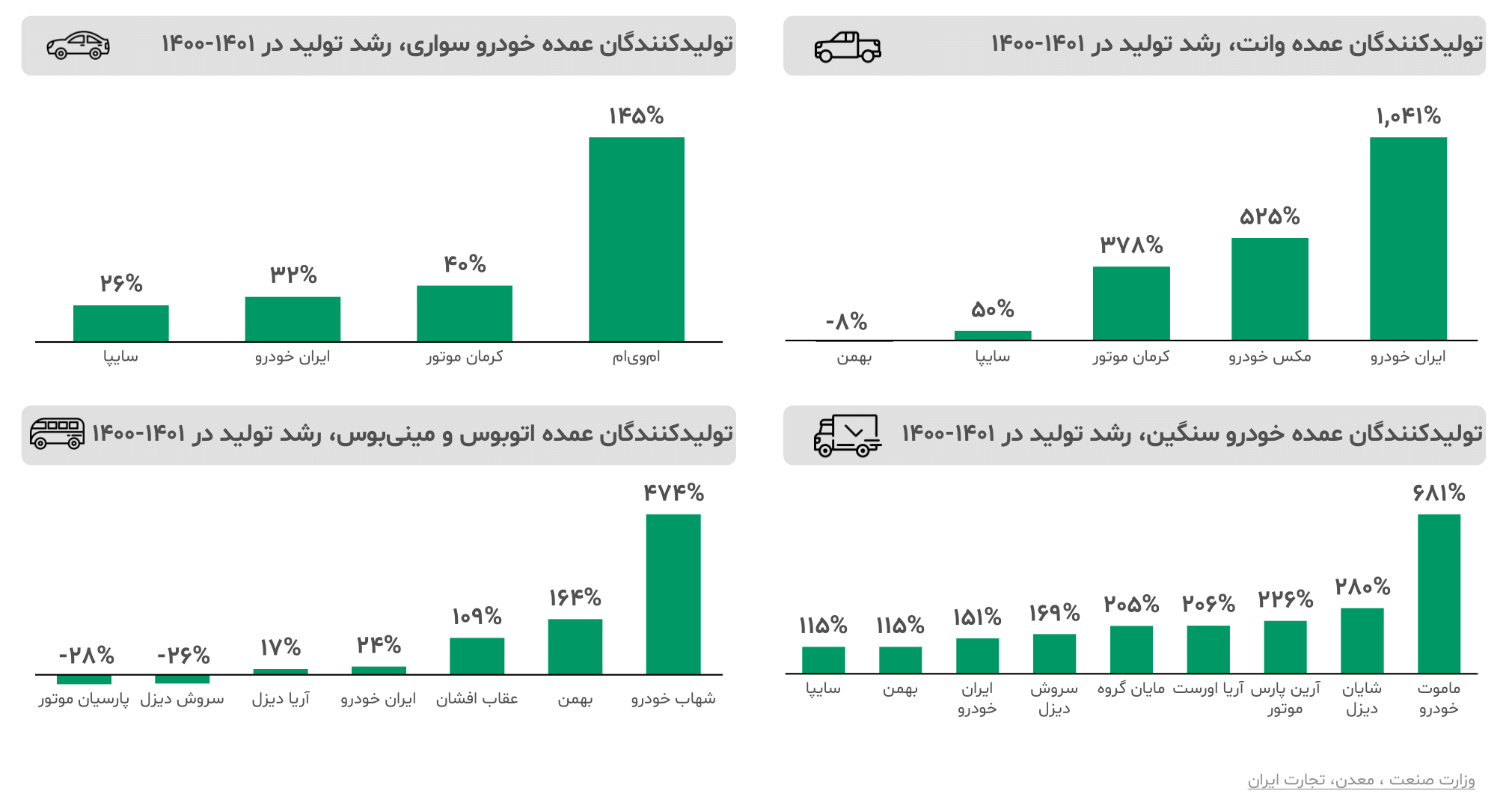
All heavy vehicles have experienced more than double growth in 2022.
Car export
The compound annual growth rate (CAGR) for the years 1397 to 1401 for the volume and value of Iranian automobile exports was 1 and -4 percent, respectively, indicating lower-value exports of goods in the automotive industry during this period.
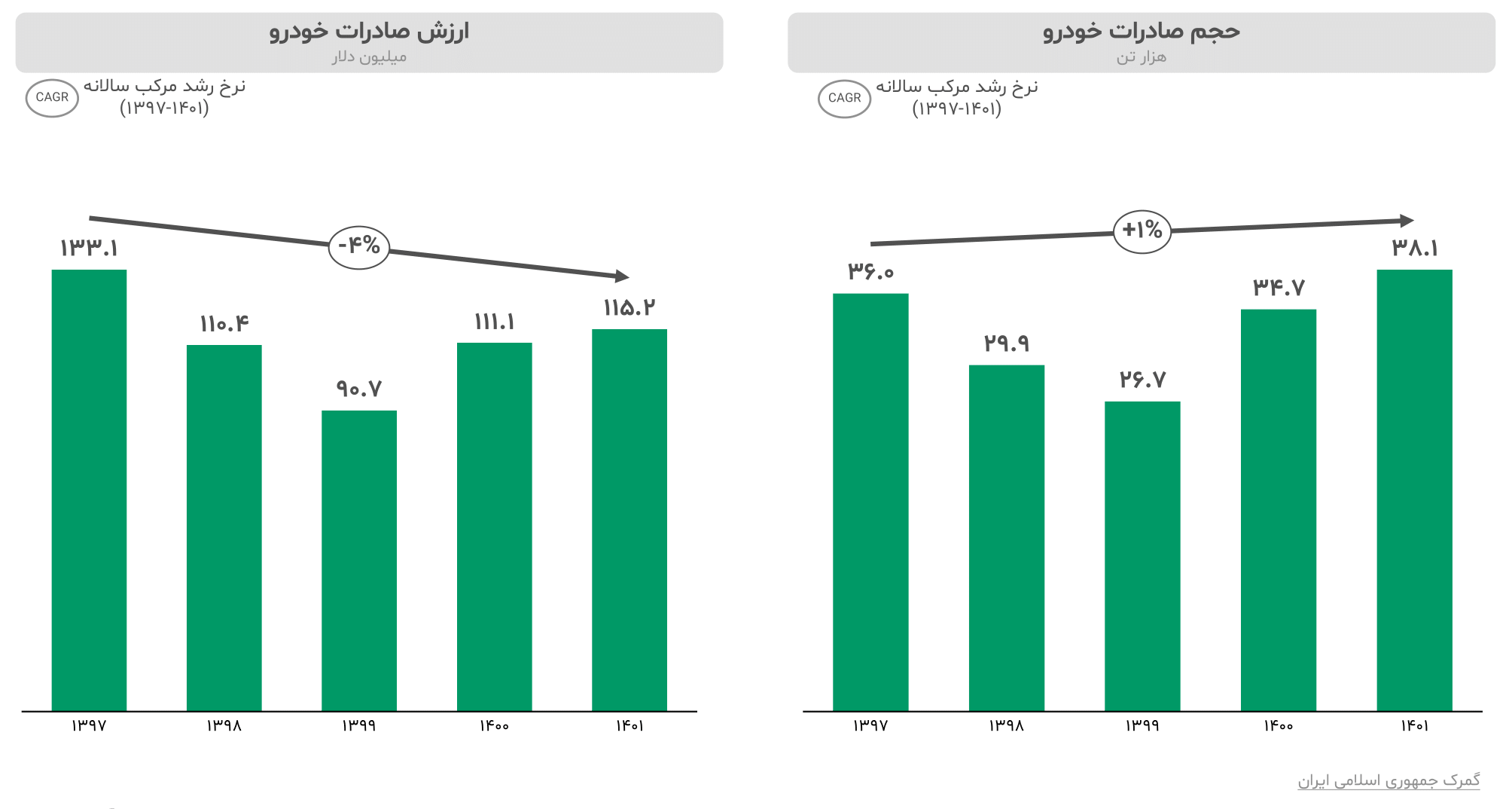
In 1401, Iraq imported about a third of Iran’s automotive exports, and Venezuela, with 9% of Iran’s export volume and 24% of its value, was the most attractive export destination in 1401 in terms of unit export value. Venezuela was the destination for relatively expensive Iranian automotive products in 1401, due to its significantly higher share in export value (24%) compared to its share in volume.
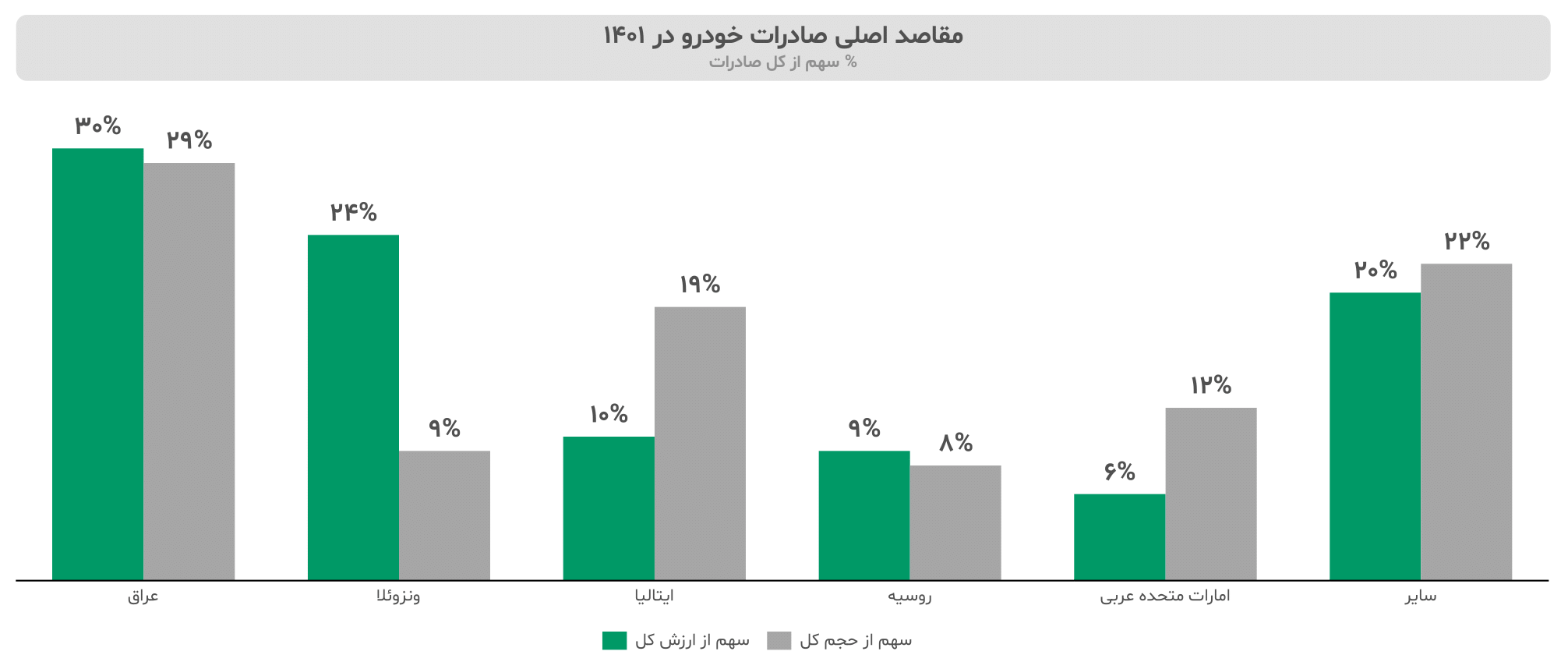
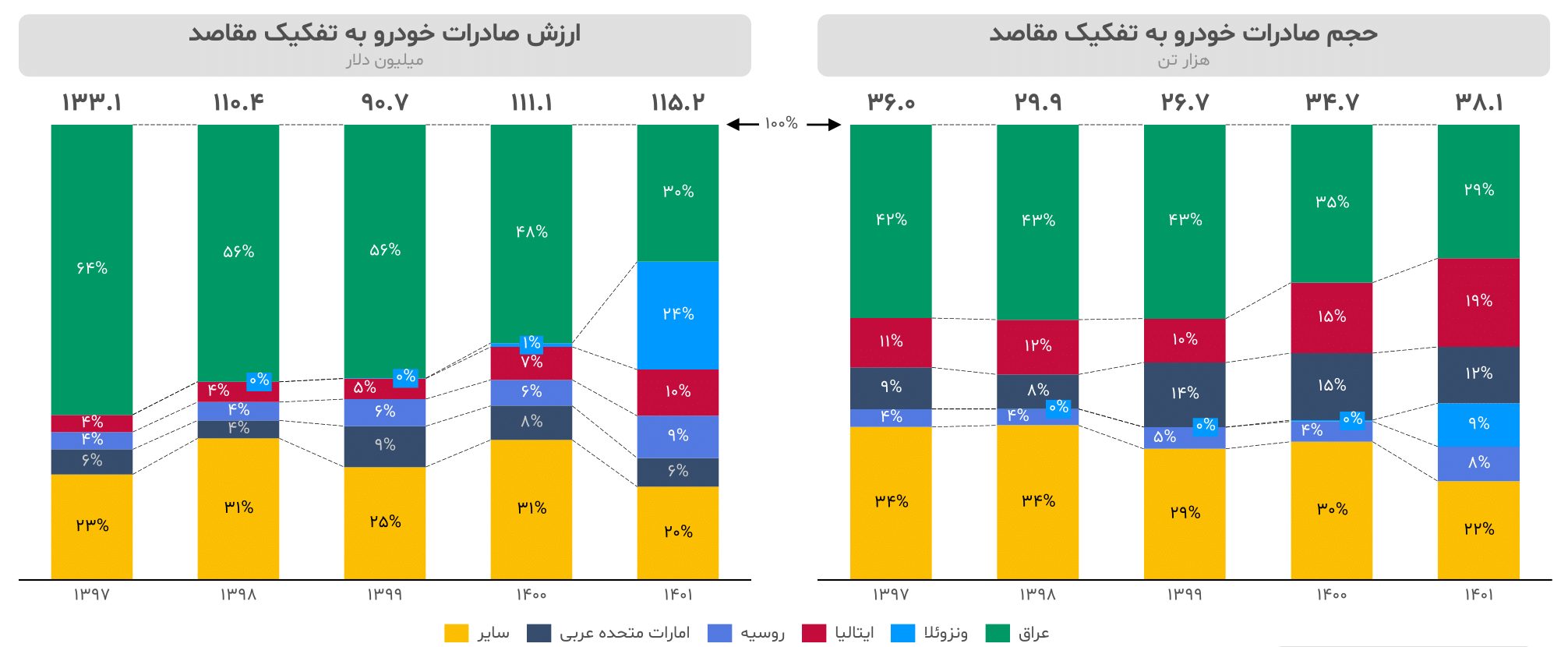
Iraq was Iran’s most attractive automotive export market in 2018 (with 60% of value and 40% of volume), while in 2022 it had a more proportionate number in terms of value (30%) and volume (29%).
Iran’s automobile exports to Iraq, as the main importer, have gradually decreased in both value and volume; from $84.9 million and 15.3 thousand tons in 2018 to $34.7 million and 11.2 thousand tons in 2022.
Russia and Italy have recorded 107 and 90 percent growth in automobile imports from Iran from 2018 to 2022, respectively.
Top car actors
The Industrial Management Institute (IMI) began ranking Iran’s top companies in 1998, and its latest edition was published in January 2023, covering the performance of 2021.
The main purpose of compiling the IMI-500 ranking is to determine and rank the contribution of companies to the national economy, in order to promote transparency and competition in the business environment and generally improve the position of Iranian enterprises. This comparison and ranking is based on financial information published in the companies’ financial statements.
The economic effectiveness of a company’s activities at the national level is directly related to its sales volume.
The Institute of Industrial Management ranks companies by considering seven main indicator categories, each of which includes specific and precise indicators:
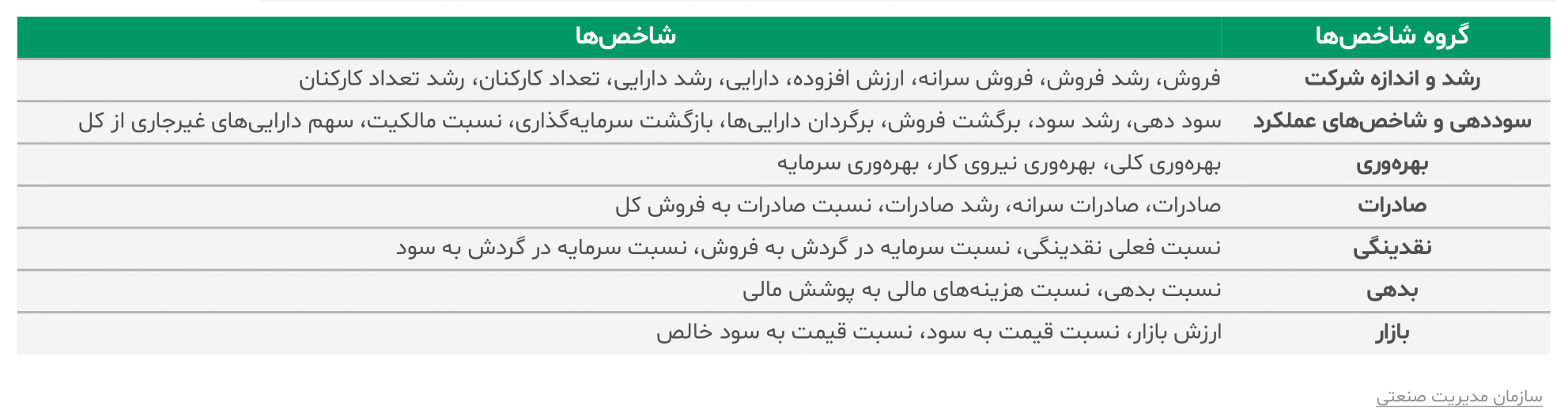
According to IMI-500 (version 1401), the top four automotive companies among the top 500 companies are Iran Khodro, Saipa, Iran Khodro Diesel, and Bahman.
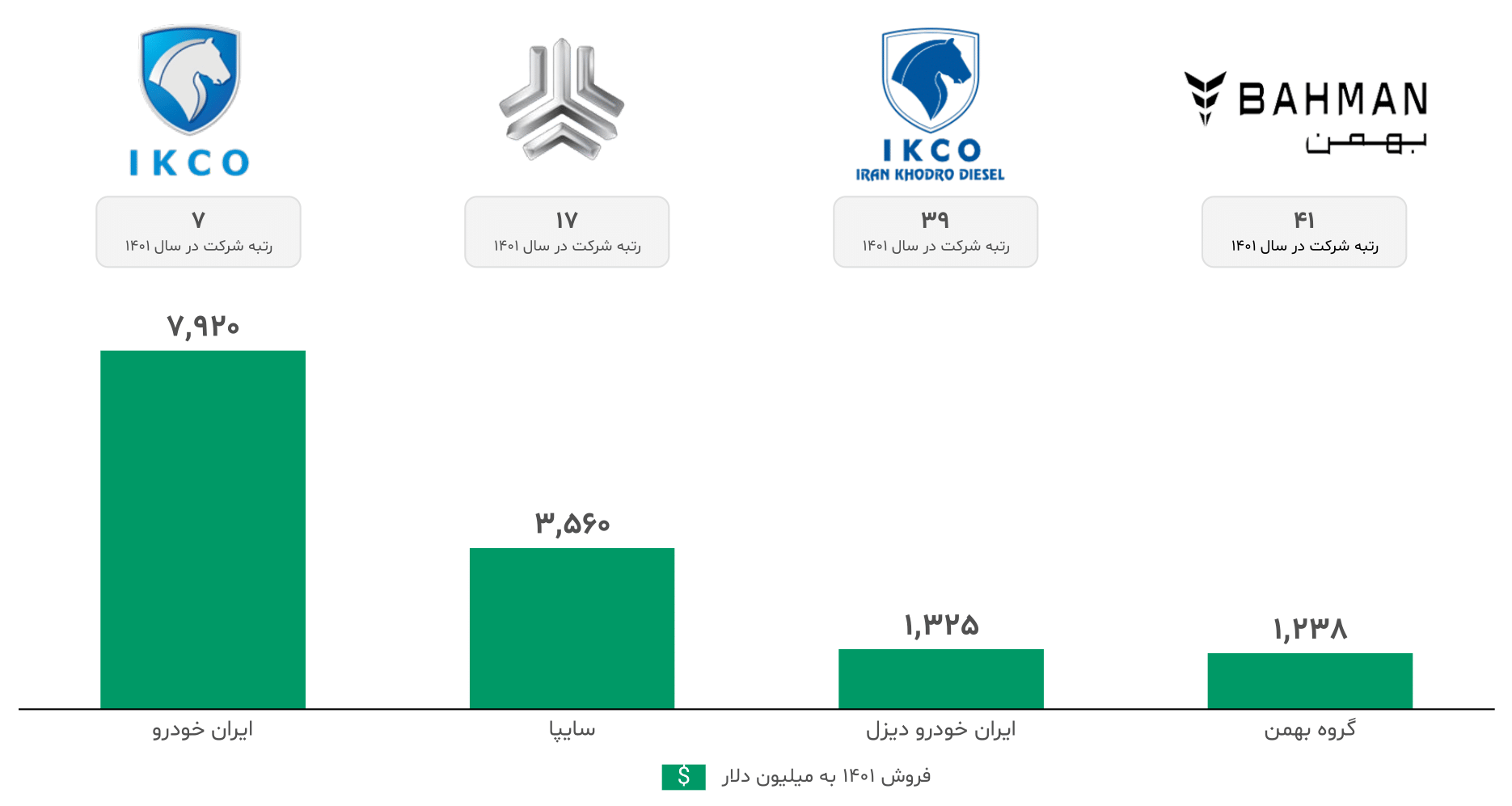
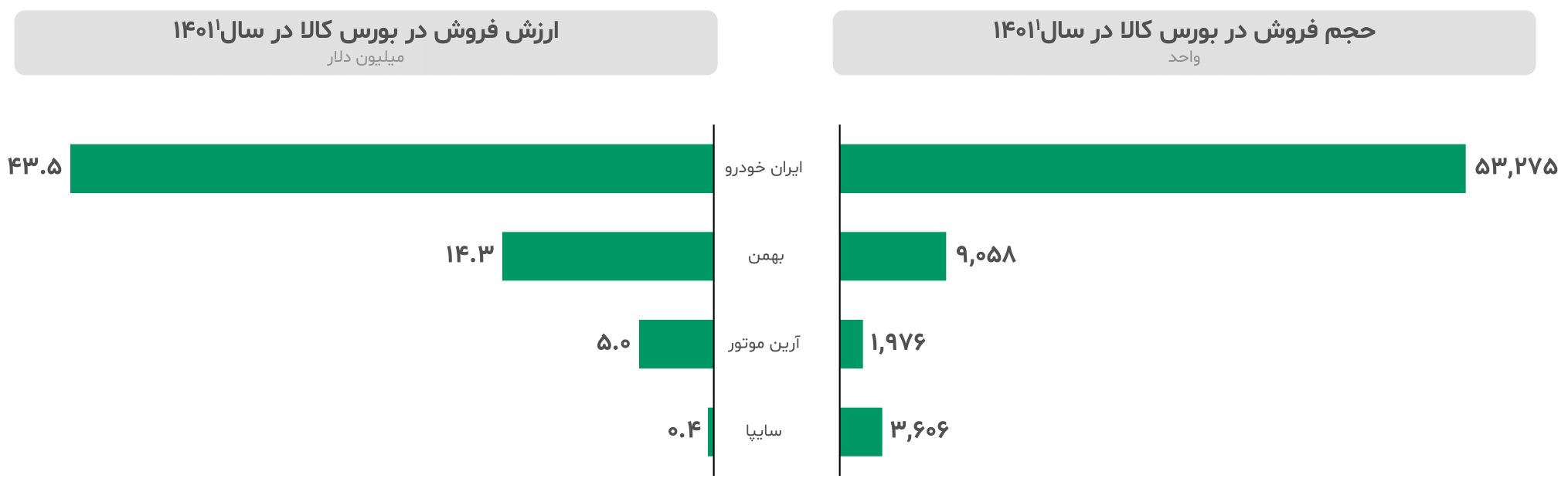
In 1401, the Ministry of Industry and Trade allowed automakers to offer excess production over their committed amount on the commodity exchange, which led to an increase in income for automakers.